Building or fixing a fence? Use this handbook on reliable wood fencing services in Texas City, TX. Compare materials, the install process, costs, and tips.
Wood fences along the Gulf Coast take a real beating. Salt air drifts inland from Galveston Bay, summer humidity stays high for months, and the occasional tropical system pushes pickets sideways without warning. Many homeowners across Texas City notice the trouble slowly at first. A leaning post here, a cracked rail there, then suddenly a whole section comes down during a storm.
That is where local crews like MarGar Construction step in, handling everything from straight pickets along a property line to full custom builds with steel posts and pressure-treated framing. Choosing Reliable wood fencing services in Texas City, TX means working with a team that knows how Galveston County’s clay soils and salt-laden air work against untreated wood, and which woods hold up across our hot, wet seasons. If you are searching for the Best wood fence repair services in Texas City, TX, knowing the right materials, installation steps, and warranty terms helps you spot a serious bid from a quick patch.
This handbook walks you through why wood fences keep their popularity, the species and style options worth knowing, the install sequence, what drives the bill, and how to pick a fencing contractor properly.
Why Gulf Coast owners keep choosing wood fences
Wood fencing remains the most popular fence style across Texas City, Dickinson, La Marque, and nearby communities. The look fits both older bungalow neighborhoods near Texas Avenue and newer subdivisions out toward the Mainland Center area. Curb appeal stays strong, and the cost-per-foot beats most alternative materials.
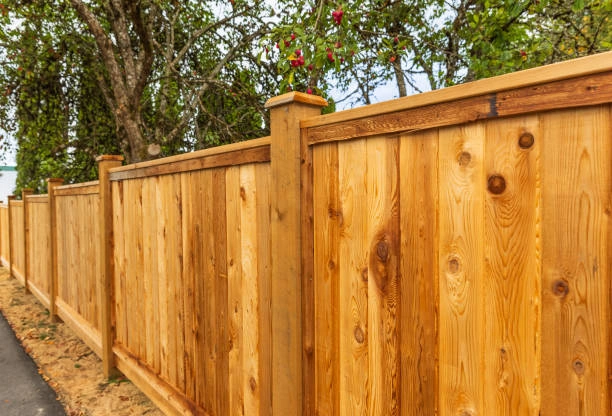
What draws owners to wood specifically? Visual warmth comes first. A new cedar or pressure-treated pine fence frames a yard with a softness that vinyl and metal struggle to match. Stain colors range from natural honey tones to deep walnut, which lets you match the fence to the house trim or front door.
Privacy plays a major role too. Six-foot solid-board wood fences block lines of sight between yards far better than chain link or split-rail options. For families with kids and pets, that privacy turns the backyard into a usable space. According to the American Fence Association industry reports, residential privacy fences remain the most-installed fence type across Texas year after year.
Wood species, fence styles, and hardware choices for this market
Selecting the appropriate type of wood and style of construction can determine the longevity and climate resilience of your fence. Every option has its own balance of cost, aesthetics, and longevity.
The western red cedar is the leading natural wood for Gulf Coast fences. Cedar doesn’t rot or get eaten by insects, so you don’t need chemical treatments. Cedar holds onto stain color well. If left unsealed, cedar weathers to a lovely soft silver-grey. Disadvantage? Cedar is more expensive per board than pressure-treated pine, and supply has tightened throughout Texas.
Most of the fences built in the area are done using pressure-treated southern yellow pine. The factory treatment hinders ground rot, termite and fungus attack. Boards from the treatment plant are usually wet and need to dry for a few months before staining to ensure a best finish bond.
Some high-end builds in the Houston metro include cypress. Cypress contains oils that resist decay despite damp conditions. Yards adjacent to Galveston Bay that get a lot of moisture often do better with cypress than regular pine fence boards.
| Wood Type / Build | Lifespan | Best For | Maintenance |
| Pressure-treated pine | 12-18 years | Budget privacy, most homes | Medium (stain every 3-4 years) |
| Western red cedar | 15-25 years | Natural look, low maintenance | Low to medium |
| Cypress | 20-30 years | Moisture-prone yards | Low |
| Composite (Trex, TimberTech) | 25-35+ years | Long-term, no-paint owners | Very low |
The fencing process from line locate to final inspection
Every wood fence install moves through the same general path, no matter the length or style. Knowing each step helps you spot a contractor who rushes the prep work, which is where most early failures start.
Site visit and quote come first. The contractor walks the property line with you, measures the run, notes any grade changes, identifies obstacles like trees or AC condensers, and discusses gate placement. Quotes should include a clear scope of work in writing, not just a per-foot price.
Utility locate happens next. Texas law requires anyone digging on private property to call 811 at least 48 hours before work begins under the Texas Underground Facility Damage Prevention and Safety Act. The 811 service marks buried gas, electric, water, and telecom lines with paint or flags at no cost. Skipping this step risks both injury and steep fines.
Permit and HOA approval follow when applicable. The City of Texas City building department requires a fence permit for new fencing in many residential zones, and HOAs across communities like Lago Mar and Mar Bella enforce height, style, and material rules. Your contractor should pull permits and submit HOA paperwork on your behalf.
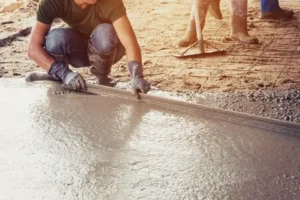
Post setting and framing make up the structural backbone. Crews dig holes typically two feet deep or deeper for six-foot fences, set posts in concrete or steel sleeves, and let the concrete cure before any rails go up. Two rails for fences up to six feet, three rails for taller builds, attached with galvanized brackets and screws.
Picket install and finish wrap the project. Pickets get fastened to the rails with stainless or galvanized screws, gate hardware gets installed, and any specified stain or sealer goes on after a drying period. A team offering Reliable wood fencing services in Texas City, TX ends every project with a walk-through, gate operation check, and written warranty paperwork covering both materials and workmanship.
Budget drivers and choosing a Texas City contractor
Two wood fence quotes for the same property line can land at very different totals. The drivers come down to materials, post systems, and the property itself.
Factors that move a wood fencing budget
Total linear footage has the most influence. Larger yards in the older regions of Texas City have a longer linear feet, while gates add line items in addition to the per-foot price. Standard four-foot walk gates cost less than double-drive gates for boat or RV access.
Budgeting changes considerably due to material grade and species. Pressure treated pine is at the budget end. Cedar increases the expense. Cypress and composites are in high demand. Height and style of the picket (like basic and board on board) also affect the final numbers.
The post systems are truly beneficial for longevity. Wooden posts that are set in concrete cost less but will rot at the ground line in our humid coastal climate. Steel posts that come wrapped in wood – which are commonly referred to as Postmaster or something similar – cost much more up front but often outlive the pickets they support. Due to this reason, a lot of owners along Bay Street and the sections of Texas city exposed to salt air choose steel posts.
The actual costs are concealed by site conditions. Fence sections on sloped lots should be stepped or racked. The post-hole digging is hampered due to heavy clay soil across Galveston County. The presence of tree roots, buried debris, or old concrete footers from previous fences may cause delays. Almost every replacement quote has a line item for removing and disposing of an existing fence.
How to vet a fencing contractor in your area
Initiate with qualifications. In Texas, no state-level residential fence contractor license is required, a reputable company generally has both general liability insurance and workers’ compensation coverage, and a solid local reputation. Before signing anything, get written proof of insurance from them.
References reveal the intriguing details. Request three finished fence jobs within the last twelve months in Texas City, La Marque, or Dickinson, then ask those homeowners for a call. Did the crew arrive at the right time? how did the fence survive through the storm season? How did the contractor manage the unexpected finding during excavation?
A fencing company that services all of Galveston County, like MarGar Construction, will already have the knowledge of what lumber yards stock proper cedar grades, how Texas City fence permits get processed, and what post systems will hold up against salt air drifting in from the bay. Often, that dedicated background is better than hiring a handyman crew or a national chain that outsources the actual installing workers.
Go through each proposal systematically. The Best wood fence repair services in Texas City, TX clearly states what wood species and grade, post type (wood, steel sleeve or full steel), picket dimensions, hardware specs, gate hardware brand, stain or sealer scope and warranty terms. Gap-filled vague bids become change orders during project execution.
FAQ’s
How long is the average installation time of a wooden fence in Texas City?
The timeline for most residential fence installation in the area is two days to four days, usually. Setting of the post takes one day because the concrete takes time to cure before the rails will be put up. If yards are larger than 300 linear feet, sloped lots, or properties that need heavy tear out can take closer a total of five or six days.
In Texas City, TX, is a permit required for a wooden fence?
The City of Texas City requires a fence permit for new residential fences in most zone types. HOAs in La Marque, Lago Mar, and Hitchcock also impose regulations on height, materials, and style. It is important for your contractor to obtain the city permit and submit HOA paperwork before any post-hole digging.
Why are Wood Fence Prices Higher Than Expected in Galveston County?
The budget increases due to the use of premium quality woods like cedar or cypress, steel post systems, longer property runs, sloped yards, heavy clay soils, extra gates, and tear-out of existing fencing. It also matters how far away from the Galveston Bay area the project is. Deeper post settings and stronger bracing add labor hours.
What wood does best in the heat and salt here in Texas City?
When the hardware is correctly designed, cedar, cypress and pressure-treated pine will perform well in Gulf Coast humidity. Wood, cedar and cypress in particular, are naturally resistant to rot. The pressure-treated yellow pine, southern yellow pine, stainless or galvanized fasteners, perform well in salt air if stained or sealed regularly.
How often should I stain/ seal my wood fence in Texas City?
Fences made with wood along the Gulf Coast generally need either a stain or sealer reapplied every 3 to 4 years. If these runs receive heavy sun exposure, that could drop to just two years. Cedar and cypress will weather on their own but pressure-treated pine will generally last longer if it is sealed on a regular basis.
Conclusion
A solid wood fence comes down to picking the right materials, choosing a contractor who knows Gulf Coast conditions, and reading every proposal carefully before signing. Take time to verify insurance, check local references, and confirm written warranty terms on both materials and workmanship. Galveston County’s mix of salt air, humidity, and clay soils rewards owners who pick durable wood species and quality hardware. When you are ready to move forward, reach out to MarGar Construction for a free property walk-through. The team can guide you through wood options and realistic timelines without pressure.