Wondering if professional painters are worth it? Here is why trusted home painting services in Santa Fe, TX save money, time, and headaches in the long run.
Paint looks like the easiest home improvement to handle yourself. Pick a color. Buy a few gallons. Spend a weekend rolling it on the walls. How hard could it be?
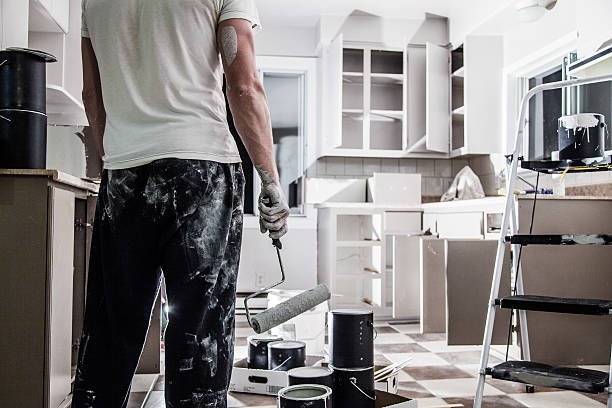
If you have ever actually tried to paint an entire house yourself, you already know the answer. The roller marks. The drips. The tape that peels off the fresh paint when you remove it. The cut-in lines that look fine from across the room but wavy up close. The trim that takes three coats instead of one. By the end, you are exhausted, the job took five times longer than expected, and the results are okay but not great.
This is why professional painting exists as an entire industry. It is one of those jobs that looks simple and is actually full of details that experienced painters handle without thinking about. MarGar Construction has worked on home painting projects across the Galveston Bay area for years, and we have seen plenty of homeowners try the DIY route before calling us to fix it. This article walks through why professional painters make sense — both for the quality of the work and for what your time is actually worth.
The Prep Work Is Where Painters Earn Their Money
The single biggest difference between a professional paint job and a DIY one is not the painting itself. It is what happens before the brush ever touches the wall.
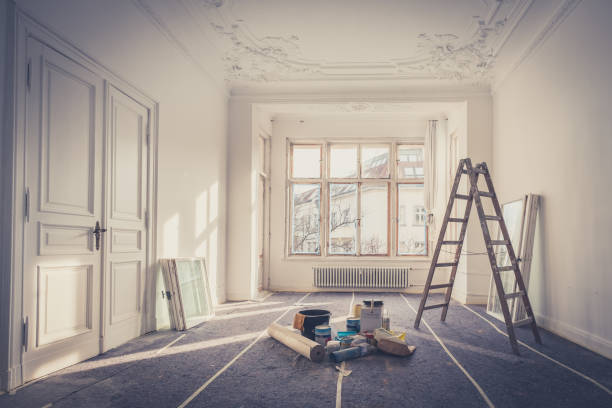
A good paint job starts with proper surface preparation. Walls get washed. Cracks and nail holes get filled and sanded smooth. Glossy surfaces get scuff-sanded so paint can grip them. Stains get sealed with a primer that prevents them from bleeding through. Trim gets caulked where it meets the wall. Furniture gets moved or covered. Floors get protected. Light fixtures and outlet covers get removed.
This work takes more time than the actual painting in most cases. Skip it, and the paint looks fine on day one but starts showing problems within months. Skip it, and the paint does not adhere properly to glossy or oily surfaces. Skip it, and stains keep bleeding through no matter how many coats you apply.
A professional crew handles all of this as a matter of routine. A DIY painter often skips half of it because they do not realize how much it matters.
Quality Materials Make a Real Difference
Walk into any home improvement store and you will see paint priced from $20 a gallon to $80 a gallon. The cheap stuff looks identical to the expensive stuff on the shelf. So what is the difference?
The difference is in how the paint actually performs. Higher-quality paints have more pigment, better binders, and better coverage. A gallon of premium paint often covers in one or two coats where a gallon of cheap paint takes three or four. The cost per square foot actually ends up similar — but the time, labor, and finish quality are dramatically different.
Professional painters use quality products as a default. They have tested different brands on different surfaces and know which ones perform best in specific situations. They also have access to professional-grade products that are not sold to consumers, which sometimes outperform anything on the retail shelf.
Here is a rough comparison of common paint quality tiers:
| Paint Tier | Approximate Cost per Gallon | Coats Needed | Typical Lifespan |
| Builder grade | $20 – $30 | 3 – 4 | 3 – 5 years |
| Mid-grade | $35 – $50 | 2 – 3 | 5 – 8 years |
| Premium | $55 – $80 | 1 – 2 | 8 – 12 years |
| Specialty (high-traffic, kitchen/bath) | $60 – $90 | 1 – 2 | 8 – 15 years |
A professional crew using premium paint and proper prep produces a finish that holds up two to three times longer than a DIY job with cheaper materials. The math on that adds up fast.
The Time Factor That Most People Underestimate
A homeowner painting their own house typically takes two to four weeks of weekends to finish what a professional crew completes in three to five days. That is real time that gets spent on the project instead of on family, work, or rest.
There is also the matter of doing the work correctly the first time. A professional painter who has painted hundreds of rooms moves through the work efficiently. They cut in clean lines without tape. They roll without leaving marks. They know how much paint to load on a brush. They know when to wait between coats and when to push ahead.
A DIY painter is learning all of this as they go. The result is usually slower work and a less polished finish.
According to a 2023 industry report by the Painting Contractors Association, the average DIY interior paint project takes 4 to 6 times longer than a professional job of the same scope. The same report noted that 38 percent of homeowners who attempt DIY painting end up hiring a professional to either finish or redo the work.
The Local Factor: Santa Fe Climate Matters
Santa Fe sits in the Gulf Coast region, which means hot, humid summers and mild winters. This climate affects paint in specific ways that professionals know how to handle.
Humidity slows paint drying time. Painting in 80 percent humidity with a paint that says “30 minute dry time” on the label might take three hours to actually dry. Painting too soon between coats traps moisture and leads to a soft finish that scuffs easily.
The intense Texas sun causes paint to fade and chalk on exterior surfaces. Premium exterior paints with UV-resistant pigments hold up much better than basic exterior paints. A professional knows which products handle local conditions and which ones do not.
Coastal salt air, even this far inland, contributes to corrosion of metal trim, railings, and exterior fixtures. Proper priming and paint selection on these surfaces is more important here than in dry inland climates.
A local professional painter understands all of this because they paint in these conditions every day. A general DIY painter does not have that local knowledge.
Color Selection Help You Did Not Know You Needed
Picking paint colors is harder than it looks. The same paint sample looks completely different in the morning light versus the afternoon. A color that looks soft and warm in the store fluorescent lights might look harsh and cold on your walls.
Professional painters help you avoid the most common color mistakes:
Picking too saturated a color for a large wall. A color that looks great on a small chip becomes overwhelming when spread across an entire wall.
Forgetting that adjacent rooms need to work together. Each room does not have to match, but the colors should flow without creating jarring transitions.
Not testing colors in the actual lighting conditions of the room. Always paint a large sample on the wall and look at it morning, afternoon, and evening before committing.
A skilled painting contractor walks you through these decisions and often offers in-home consultations to help with color selection.
For homeowners in the area, our team handles Trusted home painting services in Santa Fe, TX with color guidance, premium materials, and the kind of finish that holds up to Gulf Coast conditions for years.
Cleanup and Restoration
A professional paint job ends with the house put back together. Furniture moved back into place. Outlet covers and switch plates reinstalled. Floors swept and any paint splatter cleaned. Trash from the project hauled away.
A DIY job often ends with the homeowner still finding paint splatter on baseboards weeks later, plus a garage full of half-empty paint cans and used drop cloths.
This part of the work matters more than people realize. A clean finish is what makes a paint job feel professional. Sloppy edges and paint on the floor are what makes a DIY job look like a DIY job, even if the wall colors are nice.
Safety Considerations
Painting involves working on ladders, dealing with chemical fumes, handling sharp tools, and sometimes working at heights. Professionals do this safely as part of their daily routine. Homeowners often do not.
Falls from ladders are one of the most common home improvement injuries, especially during exterior paint projects. The Consumer Product Safety Commission reports more than 500,000 ladder-related injuries per year in the United States, with home improvement projects being a major source.
Older homes painted before 1978 may have lead-based paint. Disturbing this paint without proper precautions creates a real health hazard, especially for children and pregnant women. Licensed painting contractors are trained in lead-safe practices and certified to handle these situations safely.
Warranty and Accountability
Professional painting contractors stand behind their work. A typical workmanship warranty runs two to five years. If the paint peels, bubbles, or fails because of how it was applied, the painter comes back and fixes it.
A DIY paint job comes with no warranty. If something fails, you redo the work yourself or hire someone to fix it on your dime.
Insurance is another factor. A licensed and insured painting contractor carries liability coverage for any accidental damage to your property. If a worker spills paint on your hardwood floor, it gets fixed at no cost to you. A friend or unlicensed handyman doing the work has no such coverage.
Final Thoughts
Paint looks simple from the outside. The reality is that a good paint job involves proper preparation, quality materials, local climate knowledge, careful color selection, safe execution, and clean cleanup — all things that professionals handle well and most DIY attempts fall short on. The cost difference is real but smaller than most people think once you factor in the time, the quality of the finish, and how long the work lasts. For homeowners who want their house to look great and stay that way, hiring trusted home painting services is one of the better investments available in home improvement.
Our team offers Best interior house painting services in Santa Fe, TX with honest quotes, quality materials, and finishes built to hold up to Gulf Coast humidity and sun. If you are planning a paint project for your home, reach out and we are happy to walk you through your options.
Frequently Asked Questions
How much does professional house painting cost in Santa Fe, TX?
Interior painting in the Santa Fe area typically runs $2 to $5 per square foot of floor space, depending on the condition of the walls, the quality of paint chosen, and whether trim and ceilings are included. Exterior painting runs $2.50 to $6 per square foot of wall area. A full interior repaint of an average home might run $3,000 to $8,000. Always get multiple written quotes that specify the paint brand, number of coats, and what surfaces are included.
How often should I repaint the inside of my house?
Most interior spaces benefit from a fresh coat every 5 to 7 years, though high-traffic areas like hallways, kitchens, and kids’ rooms often need it sooner — 3 to 5 years. Lower-traffic spaces like formal living rooms or guest bedrooms can stretch to 8 to 10 years. Quality of the original paint job has a major impact here. A well-prepped paint job with premium materials holds up significantly longer than a rushed job with builder-grade paint.
Can professional painters help with color selection?
Yes, and this is one of the most useful services a good painter offers. Many professional painting contractors include color consultation as part of their project or offer it as an add-on service. Some bring color decks and sample boards. Others can walk you through digital tools that show how colors look in your actual space. Take advantage of this — picking colors is one of the hardest parts of any paint project, and professional input makes a real difference.
What time of year is best to paint the exterior of a home in Santa Fe?
Fall and early winter tend to be ideal for exterior painting in this area — cooler temperatures and lower humidity help paint cure properly. Late spring also works well before the heaviest summer humidity arrives. Avoid painting exteriors during peak summer when surface temperatures can climb past 100 degrees and cause paint to dry too fast, creating adhesion problems. A professional painter will plan the timing based on the weather forecast and surface conditions.
Do I need to be home while my house is being painted?
For exterior work, no — most homeowners go about their normal routine while the painters work outside. For interior work, you can be home but should expect some disruption. Rooms being painted need to be cleared of furniture or have it moved to the center and covered. Fumes from quality paints are minimal these days, but some sensitive people prefer to be out of the house during active painting and for a few hours afterward to let ventilation finish the job.